



















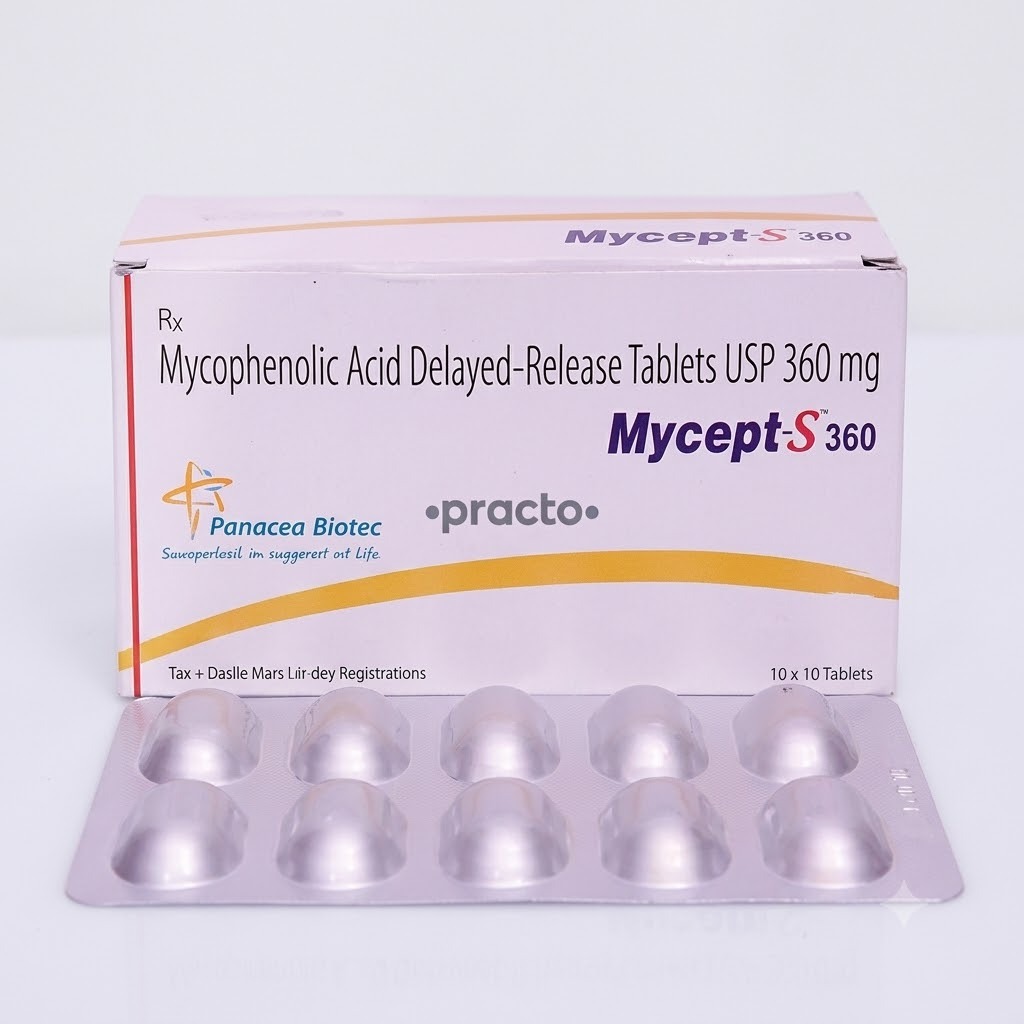

Mycept S 360 Tablet is a prescription immunosuppressant medicine containing Mycophenolate Sodium 360mg as its active ingredient. It is primarily used to help prevent organ rejection after a kidney, heart, or liver transplant. It is usually prescribed along with other immunosuppressive medicines such as corticosteroids and ciclosporin to reduce the body’s immune response and protect the transplanted organ. :contentReference[oaicite:0]{index=0}
After an organ transplant, the immune system may recognize the new organ as foreign and attempt to attack it. Mycept S 360 Tablet helps suppress this immune response, reducing the risk of transplant rejection and improving the chances of long-term transplant success. The medicine should only be used under the supervision of a transplant specialist and requires regular monitoring during treatment. :contentReference[oaicite:1]{index=1}
Take Mycept S 360 Tablet exactly as prescribed by your doctor. Do not stop taking the medicine without medical advice, as this may increase the risk of organ rejection. Regular blood tests, kidney function tests, and liver function tests are usually recommended throughout treatment to monitor your response and detect any possible side effects early. :contentReference[oaicite:2]{index=2}
Composition of Mycept S 360 Tablet
| Active Ingredient | Strength | Role |
|---|---|---|
| Mycophenolate Sodium | 360mg | Suppresses the immune system to help prevent rejection of transplanted organs. |
Uses of Mycept S 360 Tablet
- Prevention of Kidney Transplant Rejection: Helps prevent the immune system from attacking a transplanted kidney.
- Prevention of Heart Transplant Rejection: Used as part of combination immunosuppressive therapy following heart transplantation.
- Prevention of Liver Transplant Rejection: May be prescribed in selected patients after liver transplantation according to the transplant specialist’s recommendation.
- Long-Term Immunosuppressive Therapy: Supports long-term protection of transplanted organs when taken regularly as directed.
Benefits of Mycept S 360 Tablet
- Helps reduce the risk of transplanted organ rejection.
- Suppresses excessive immune system activity.
- Supports long-term survival of transplanted organs.
- Works effectively when combined with other immunosuppressive medicines.
- Helps improve transplant success and long-term outcomes.
- Available as a convenient oral delayed-release tablet.
- Provides reliable long-term immunosuppressive therapy under specialist supervision.
-
Benefits of Mycept S 360 Tablet
Mycept S 360 Tablet contains Mycophenolate Sodium 360mg, an immunosuppressant medicine that helps prevent the body’s immune system from rejecting a transplanted organ. It is commonly prescribed after kidney, heart, or liver transplantation and is usually used in combination with other immunosuppressive medicines. Regular use as directed by your transplant specialist helps improve transplant success and supports long-term organ function.
- Prevents Organ Rejection: Helps reduce the risk of the immune system attacking a transplanted kidney, heart, or liver.
- Suppresses Immune Response: Controls overactive immune cells responsible for transplant rejection while supporting long-term treatment.
- Supports Long-Term Organ Survival: Regular treatment helps improve the long-term function and survival of transplanted organs.
- Improves Transplant Success: Works effectively when combined with other immunosuppressive medicines to reduce rejection episodes.
- Reduces Hospitalization Risk: Effective prevention of organ rejection may lower the need for additional hospital treatment related to transplant complications.
- Convenient Oral Therapy: Available as a delayed-release tablet for easy long-term administration.
- Clinically Proven Treatment: Widely recommended in transplant medicine for maintaining successful organ transplantation.
How Mycept S 360 Tablet Works
Mycept S 360 Tablet contains Mycophenolate Sodium, which suppresses the activity of certain white blood cells called lymphocytes. These immune cells are responsible for attacking transplanted organs.
By reducing the production and activity of lymphocytes, Mycept S 360 Tablet helps prevent organ rejection while allowing the transplanted organ to function normally. This medicine is most effective when taken regularly along with other prescribed immunosuppressive medicines.
Dosage of Mycept S 360 Tablet
Take Mycept S 360 Tablet exactly as prescribed by your transplant specialist. The dose depends on the type of organ transplant, your medical condition, and your response to treatment.
- Take the tablet at the same time every day.
- Swallow the delayed-release tablet whole with water.
- Do not crush, chew, or split the tablet.
- It may be taken with or without food, but take it consistently the same way each day.
- Do not stop treatment without consulting your transplant specialist.
How to Use Mycept S 360 Tablet
- Take the medicine exactly as directed by your doctor.
- Swallow the tablet whole with a full glass of water.
- Avoid crushing or chewing the delayed-release tablet.
- Take your medicine regularly without missing doses.
- Attend all scheduled follow-up visits and laboratory tests.
Important Usage Tips
- Take the medicine regularly to reduce the risk of organ rejection.
- Do not stop taking the medicine without medical advice.
- Wash your hands frequently and avoid close contact with people who have infections.
- Inform your doctor immediately if you develop fever, sore throat, unusual bruising, or persistent diarrhea.
- Avoid live vaccines unless specifically approved by your doctor.
- Use effective contraception during treatment and for the recommended period after stopping the medicine if advised by your doctor.
Lifestyle Tips While Using Mycept S 360 Tablet
- Maintain good personal hygiene to reduce infection risk.
- Eat a healthy, balanced diet rich in nutrients.
- Drink sufficient water unless otherwise advised by your doctor.
- Avoid excessive exposure to sunlight and use sunscreen because immunosuppressants may increase skin cancer risk.
- Avoid smoking and limit alcohol consumption.
- Keep all medical appointments for blood tests and transplant monitoring.
Key Facts About Mycept S 360 Tablet
Medicine Type Immunosuppressant Active Ingredient Mycophenolate Sodium 360mg Dosage Form Delayed-Release Tablet Route of Administration Oral Prescription Required Yes Used For Prevention of organ rejection after kidney, heart, and liver transplantation. Suitable For Adult and eligible transplant patients as prescribed by a transplant specialist. Habit Forming No -
Side Effects of Mycept S 360 Tablet
Like all medicines, Mycept S 360 Tablet may cause side effects, although not everyone experiences them. Because this medicine suppresses the immune system, it may increase the risk of infections. Most side effects are manageable with proper medical supervision, but some require immediate medical attention.
- Diarrhea: One of the most common side effects, which may range from mild to severe.
- Nausea and Vomiting: Some patients may experience stomach discomfort, nausea, or vomiting during treatment.
- Abdominal Pain: Mild stomach pain, cramps, or indigestion may occur.
- Headache: Headache may occur, especially during the initial weeks of therapy.
- Increased Risk of Infections: Because the immune system is suppressed, bacterial, viral, and fungal infections may occur more easily.
- Low White Blood Cell Count (Leukopenia): This may reduce the body’s ability to fight infections and requires regular blood tests.
- Anemia: Reduced red blood cells may cause weakness, fatigue, or shortness of breath.
- Easy Bruising or Bleeding: Low platelet counts may increase the risk of bruising or bleeding.
- Skin Rash: Mild allergic skin reactions or itching may occur.
- Serious Allergic Reaction: Swelling of the face, lips, tongue, difficulty breathing, or severe rash requires immediate emergency medical care.
Precautions and Warnings
- Take Mycept S 360 Tablet only under the supervision of a transplant specialist.
- Regular blood tests are required to monitor blood cell counts, kidney function, and liver function.
- Avoid close contact with people who have contagious infections.
- Do not receive live vaccines unless approved by your doctor.
- Use effective contraception during treatment and for the recommended period after stopping the medicine.
- Avoid excessive exposure to sunlight and UV rays. Wear protective clothing and sunscreen.
- Inform your doctor immediately if you develop fever, sore throat, persistent diarrhea, unusual bleeding, or signs of infection.
Drug Interactions
Mycept S 360 Tablet may interact with several medicines. Inform your doctor about all prescription medicines, supplements, and herbal products before starting treatment.
- Cyclosporine
- Tacrolimus
- Azathioprine
- Antacids containing magnesium or aluminum
- Cholestyramine
- Acyclovir and Ganciclovir
- Live vaccines
- Other immunosuppressive medicines
Storage Instructions
- Store below 30°C in a cool and dry place.
- Keep the tablets in the original blister pack.
- Protect from moisture, heat, and direct sunlight.
- Keep out of the reach of children and pets.
- Do not use after the expiry date printed on the package.
Missed Dose
If you miss a dose of Mycept S 360 Tablet, take it as soon as you remember. If it is almost time for your next scheduled dose, skip the missed dose and continue your regular dosing schedule. Do not take a double dose to make up for a missed dose.
Overdose
An overdose of Mycept S 360 Tablet may increase the risk of severe infections, blood disorders, and gastrointestinal side effects. Seek immediate medical attention or contact your nearest emergency department if an overdose is suspected.
Who Should Avoid Mycept S 360 Tablet?
- Patients allergic to Mycophenolate Sodium or any component of the tablet.
- Pregnant women unless specifically advised by a transplant specialist.
- Patients with severe uncontrolled infections.
- Individuals advised by their doctor not to receive immunosuppressive therapy.
Safety Advice
Condition Advice Alcohol Consult your doctor before consuming alcohol during treatment. Pregnancy Not recommended during pregnancy due to the risk of harm to the unborn baby. Breastfeeding Breastfeeding is generally not recommended while taking this medicine. Driving If you experience dizziness or drowsiness, avoid driving or operating machinery. Kidney Disease Use under medical supervision with regular monitoring. Liver Disease Use with caution and follow your doctor’s recommendations. Habit Forming No, Mycept S 360 Tablet is not habit-forming. Important Patient Advice
Take Mycept S 360 Tablet exactly as prescribed and never stop treatment without consulting your transplant specialist. Attend all scheduled blood tests and follow-up appointments to monitor your health. Practice good hygiene, avoid exposure to infections, protect your skin from excessive sunlight, and report any signs of fever, persistent diarrhea, unusual bleeding, or allergic reactions to your doctor immediately.
-
Frequently Asked Questions (FAQs)
1. What is Mycept S 360 Tablet used for?
Mycept S 360 Tablet is an immunosuppressant medicine used to prevent organ rejection after kidney, heart, or liver transplantation. It is usually prescribed along with other immunosuppressive medicines.
2. What is the active ingredient in Mycept S 360 Tablet?
The active ingredient is Mycophenolate Sodium 360mg.
3. How does Mycept S 360 Tablet work?
It suppresses the immune system by reducing the activity of lymphocytes, helping prevent the body from rejecting a transplanted organ.
4. Can Mycept S 360 Tablet cure kidney disease?
No. It does not cure kidney disease. It is used to help prevent rejection of a transplanted organ after a successful transplant.
5. How should I take Mycept S 360 Tablet?
Take the tablet exactly as prescribed by your doctor. Swallow it whole with water without crushing, chewing, or breaking it.
Conclusion
Mycept S 360 Tablet contains Mycophenolate Sodium 360mg, an effective immunosuppressant medicine that helps prevent organ rejection following kidney, heart, or liver transplantation. When taken exactly as prescribed, it supports long-term transplant success and helps maintain the proper function of the transplanted organ. Regular follow-up visits, blood tests, and strict adherence to your treatment plan are essential for safe and effective therapy.
-
-
Related Medicines and Helpful Resources
- Mycept S 360 Tablet – Mycophenolate Sodium 360mg immunosuppressant medicine.
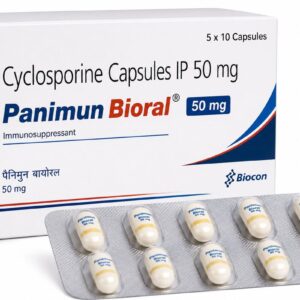
- Panimun Bioral 50mg Capsule – An immunosuppressant medicine used in transplant and immune-related treatment.
- Online Generic Medicines – Explore medicines and healthcare products available on our website.
- Contact Us – Contact our team for general medicine and product-related information.
-
Outbound Links
-